10 Best Places to Visit in Hunza Valley

10 Best Places to Visit in Hunza Valley
Here are top 10 places in hunza you should visit to witness the incredible natural beauty and peaceful vibes of this valley:
1. Karimabad — The Heart of Hunza Valley
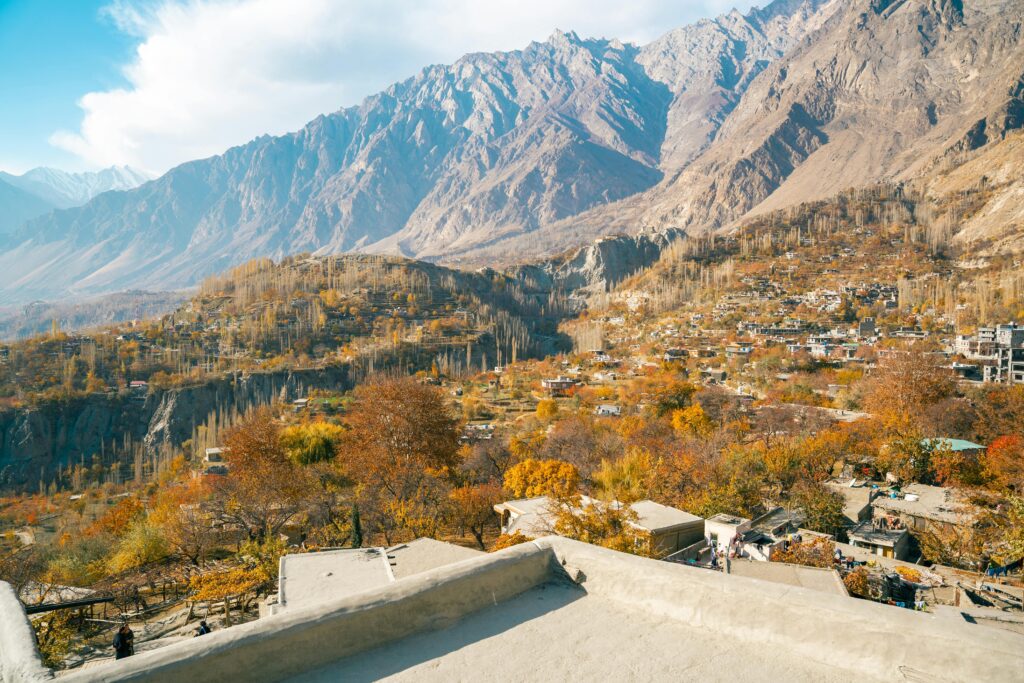
If Hunza has a capital, it is Karimabad. This charming hilltop town is the main base for most travelers visiting the valley and the perfect starting point for exploration. Perched at about 2,500 metres above sea level, Karimabad offers sweeping panoramic views of surrounding peaks including Rakaposhi (7,788 m) and Ultar Sar (7,388 m).
The town itself is a pleasant maze of narrow lanes, small guesthouses, local restaurants, and handicraft shops selling semi-precious stones, traditional Hunza jewellery, and locally dried apricots. The atmosphere is relaxed and welcoming, and the Hunzakut people are known for being among the friendliest hosts in all of Pakistan.
What to Do in Karimabad?
- Explore the main bazaar — shop for gemstones, carved woodwork, and locally grown produce
- Visit Baltit Fort and Altit Fort, both easily accessible from the town centre
- Try traditional Hunza food — especially chapshuro (meat-filled flatbread) and diram phitti
- Watch the sunrise turn Ultar Sar peak golden from your guesthouse rooftop
- Walk the trails around town for views of the valley and ancient terraced fields
Practical Information:
- Location: Karimabad, Hunza District, GB (36.3196° N, 74.6587° E)
- Distance from Gilgit: ~100 km — approximately 2 hours by road on the Karakoram Highway
- Altitude: ~2,500 m (8,200 ft)
2. Baltit Fort — 700 Years of Hunza's Royal History
One of the historical sites of the Hunza Valley is Baltit Fort. Approximately 1,100 years old, this fortress is an outstanding example of Tibetan architecture. It was built as the royal residence of the Hunza rulers (Mirs) and was expanded over the centuries.
The castle underwent its most extensive renovation in the 16th century, when the ruler of Hunza married a princess from Baltistan. She brought with her skilled artisans who transformed the fortress’s structure, molding it into the distinctive Baltī architectural style. Its reconstruction employed stone, mortar, and timber.
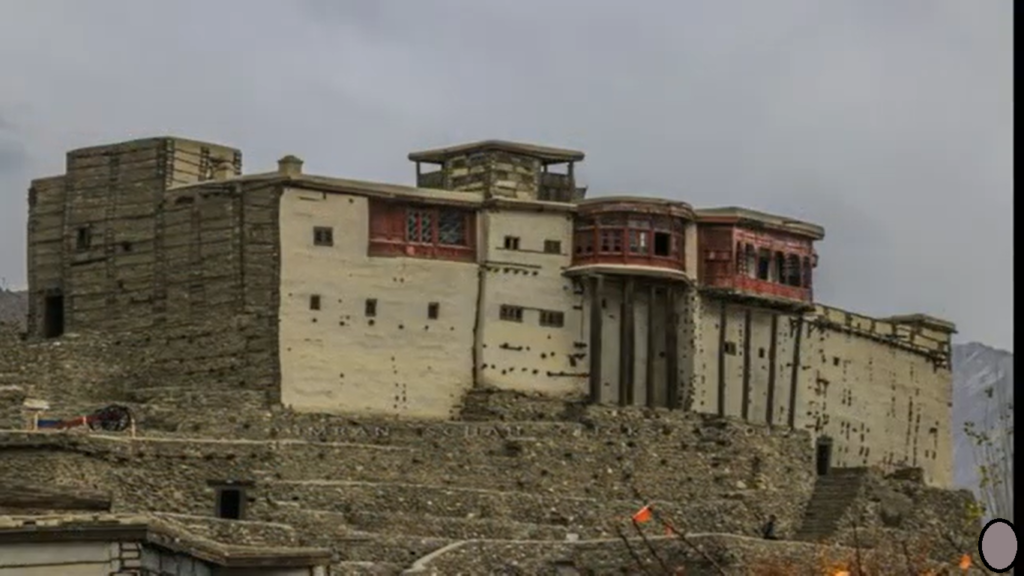
From the 17th to the 19th century, this fortress served as a royal residence, with successive rulers making modifications. In 1945, the rulers moved to another fortress and this place was abandoned. Between 1990 and 1996, to save the fortress from complete ruin, the Aga Khan Trust for Culture partnered with the Royal Geographical Society of London and made concerted efforts to transform this dilapidated fortress into a great cultural heritage site.
3. Altit Fort — The Oldest Fort in Hunza
Often overlooked by travellers who spend all their time at Baltit Fort, Altit Fort is actually the older of the two — estimated to be over 900 years old. Sitting on a dramatic cliff edge above the Hunza River, the fort’s setting is arguably even more spectacular than Baltit. The surrounding Altit Village is one of the most authentic and unspoiled villages in the region, with centuries-old stone homes, narrow lanes, and traditional Hunzai courtyard architecture.
What to Do at Altit Fort
- Walk through the narrow lanes of Altit Village — one of the most photogenic spots in Hunza.
- Visit the cliff-edge viewpoint below the fort for dramatic views of the Hunza River gorge.
- Explore the restored old bazaar area and the women’s handicraft centre nearby
- Combine with a visit to Karimabad on the same day — it is only a short drive or a pleasant 45-minute walk
4. Attabad Lake — The Turquoise Jewel of Hunza
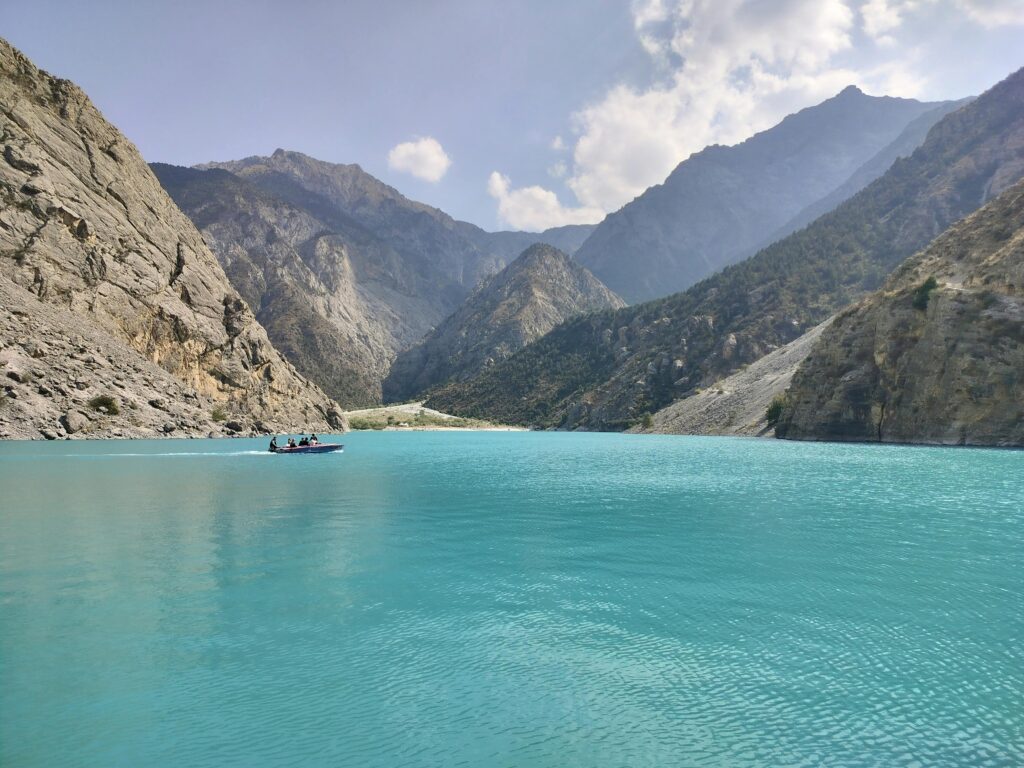
Attabad Lake is one of the most visually stunning spots in all of Gilgit-Baltistan — a vast, intensely turquoise lake formed in January 2010 when a massive landslide blocked the Hunza River, submerging entire villages and sections of the Karakoram Highway. What was a tragedy for local communities transformed over the years into one of Pakistan’s most photographed landmarks. The vivid blue-green water, set against bare brown mountains and bright blue skies, creates a contrast that seems almost unreal.
What to Do at Attabad Lake
- Take a motorboat ride across the lake
- Kayaking and paddleboating are available from local operators near the shore.
- Walk along the lakeshore and photograph the colour contrast between the turquoise water and surrounding mountains.
- Drive through the five CPEC tunnels built after the landslide — an engineering marvel worth appreciating.
- Stop at one of the lakeside cafés for chai and local snacks while watching the water shimmer.
5. Eagle’s Nest (Duikar) — Best Sunrise View in Pakistan
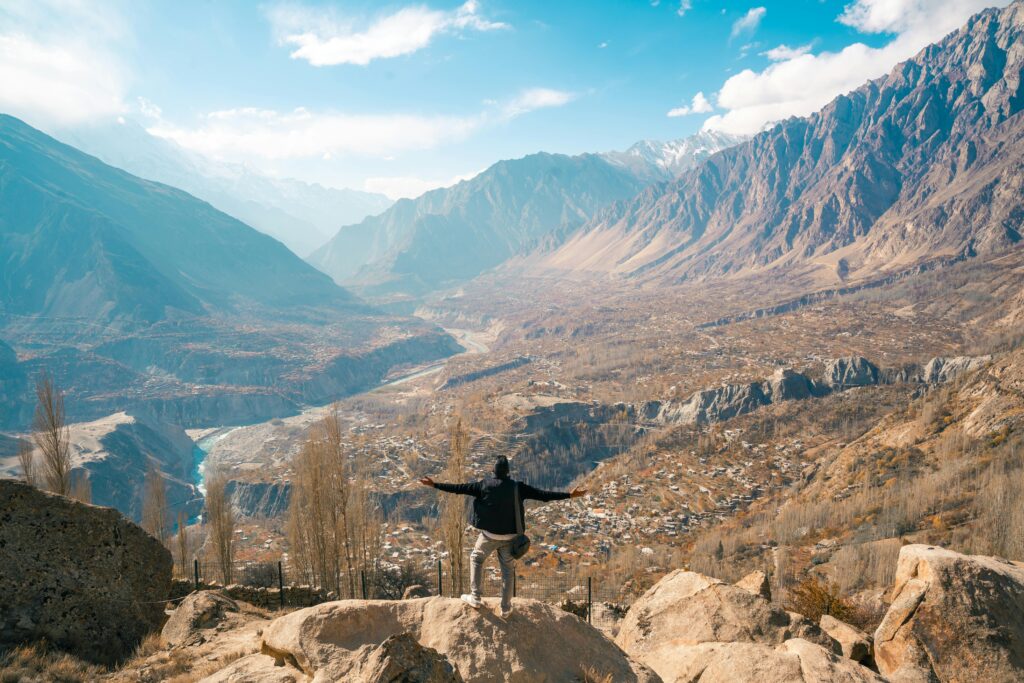
Eagle’s Nest at Duikar is widely considered the single best viewpoint in all of Hunza Valley — and many travellers say it is the most spectacular sunrise they have ever witnessed. At an elevation of around 3,100 metres, this hilltop viewpoint looks directly across at Rakaposhi (7,788m), Diran Peak (7,266m), Ultar Sar (7,388m), and the entire Hunza Valley spread out below. When the first light of dawn hits these peaks, they turn from deep purple to blazing orange and gold in a matter of minutes.
What to Do at Eagle’s Nest
- Wake up before sunrise (typically 4:30–5am) and drive or hike up to Duikar — the drive takes 20–30 minutes from Karimabad.
- Watch the alpenglow light the Karakoram peaks at sunrise — bring warm layers as temperatures at 3,100m are very cold even in summer.
- Stay at Eagle’s Nest Hotel if you want to wake up at the viewpoint itself — a popular option for photography enthusiasts.
Enjoy the sunset as well — the view in both directions of light is extraordinary.- Hike along the ridgeline for wider views of the valley and Karimabad below.
6. Passu — Cathedral Peaks and a Rope Bridge
Passu is a small village on the Karakoram Highway that has become one of the most photographed places in Pakistan — and for good reason. The Passu Cones, a row of jagged rock spires rising to over 6,000 metres, create one of the most dramatic skylines anywhere in the world. The village also sits near the famous Passu Suspension Bridge (also called Hussaini Hanging Bridge), a narrow, rope-and-plank footbridge stretched over the Hunza River that tests even the steadiest of nerves.
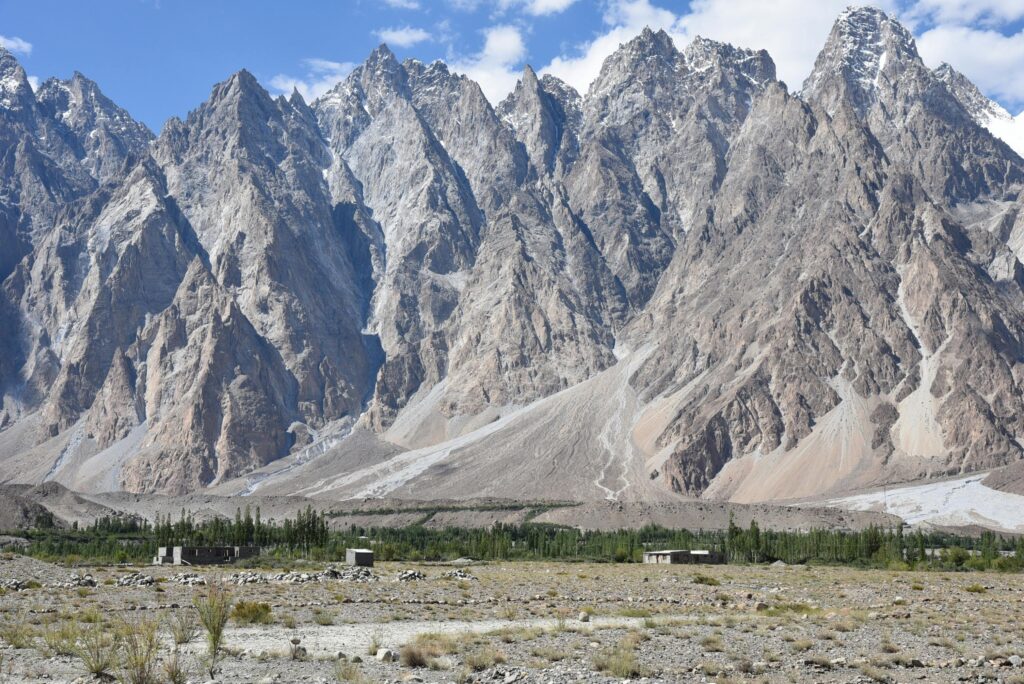
What to Do in Passu
- Photograph the Passu Cones — best viewed and photographed from the flat area near the village in morning light.
- Cross the Hussaini Hanging Bridge — it sways with every step and has gaps between the planks; not for the faint-hearted.
- Trek to Batura Glacier, one of the longest glaciers outside the polar regions, starting from Passu village.
- Hike to the ridge above the village for elevated views of the Cones and Passu Glacier.Stay overnight in Passu for the authentic remote village atmosphere — several basic guesthouses are available.
7. Khunjerab Pass — The Roof of the Karakoram Highway
Khunjerab Pass sits at 4,693 metres above sea level, making it the world’s highest paved international border crossing. Located on the Pakistan–China border, it is the northern terminus of the Karakoram Highway — one of the greatest engineering feats of the 20th century. The landscape around Khunjerab is raw, high-altitude tundra — rolling brown hills, vast open skies, and occasional sightings of Marco Polo sheep and Himalayan ibex. The border gate itself is a popular photo stop, and standing there at nearly 4,700 metres feels genuinely otherworldly.
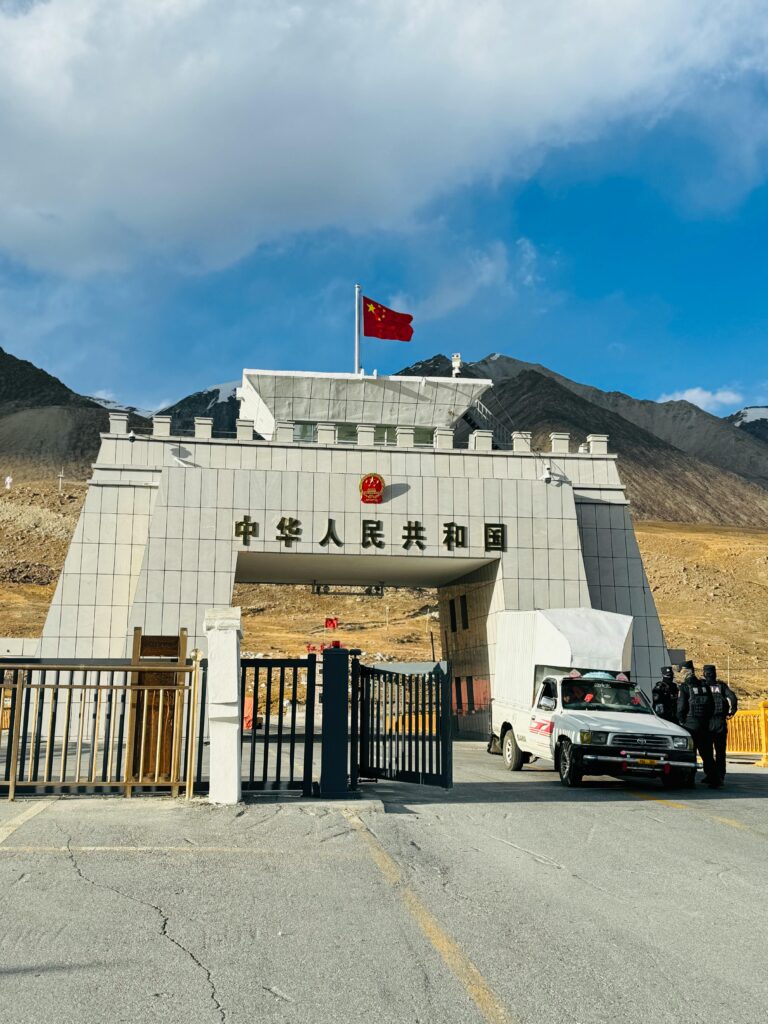
What to Do at Khunjerab Pass
- Photograph the Pakistan–China border marker and gate — a memorable milestone for any traveller.
- Spot Marco Polo sheep and Himalayan ibex along the roadside in the Khunjerab National Park.
- Walk along the border area and appreciate the sheer scale of the surrounding landscape.
- Visit Sost town (the last major Pakistani settlement) on the way back for food and fuel.
- Drive slowly through Khunjerab National Park and watch for wildlife — snow leopards are occasionally sighted.
Hunza Valley rewards travellers who take their time. A rushed 2-day visit will only scratch the surface — ideally, allow 5 to 7 days to properly explore Karimabad, the two forts, Attabad Lake, Eagle’s Nest, and at least one upper valley destination like Passu or Gulmit. If you have 10 days, you can comfortably include Khunjerab Pass and Hoper Valley as well.
The key to a great Hunza trip is flexibility. Mountain weather changes quickly, roads can be affected by landslides, and the best moments — the golden sunrise at Eagle’s Nest, a local family sharing chai with you in Altit — are rarely the ones you planned for. Go with an open mind, respect local culture, and Hunza Valley will almost certainly leave you wanting to return.